


his article was published in The Spectator on 3 July 2024. We are grateful for permission to republish it here.
The interim director of the British Museum, Mark Jones, has broached the idea that our national museums should charge foreign visitors for entry, though not British visitors. On the surface it may seem an attractive idea. Our national museums are major attractions – not just in London but in Edinburgh and elsewhere, drawing in millions of people from across the world. The temptation to follow the almost universal practice of charging for entry is understandable. Museums can always do with more money, even if it is sometimes spent badly on worthless ‘decolonisation’ projects promoted by the likes of the Museums Association. The Metropolitan Museum in New York charges $30, though you can opt to give less, so long as it is something. You can even (if you dare) pay just one cent. But that is not actually a national museum; it is a private institution that depends on its benefactors and on its impressive ability to generate income.
By contrast, the network of Smithsonian museums in Washington DC are free of charge. In bright yellow letters, the website of the National Gallery of Art in the same city bears the legend ‘Admission is always free’. The Smithsonian Institution includes a fine American Indian Museum, an African American Museum, a wonderful Air and Space Museum and much else. The Smithsonian claims to be the largest museum in the world, though it is really a collection of more than 20 nationally-owned museums, mostly in the capital. In making them free the United States government is recognising that these museums primarily tell a national story.
There is one big difference between the Smithsonian and the great London museums such as the British Museum, the National Gallery and the V&A. Apart from the National Portrait Gallery, the leading museums in Great Britain tell not just a national story but an international one. They are universal museums. In the case of the British Museum the whole history of humanity is encompassed, and in the case of the National Gallery the history of western painting from the thirteenth century onwards. In other words, they tell stories that resonate with a larger public than most of the Smithsonian museums, which are more meaningful to American citizens than they are to the Mexicans, Japanese, Cambodians, Nigerians, Italians, Egyptians, Greeks, Persians (the list goes on and on). All of these people will find reminders of their own history in the great London museums, along with something very important: the opportunity to make connections between objects from their own place of origin or ancestry and other civilizations of the past. These museums are custodians of their contents on behalf of all of mankind. This means that people from all countries of the world should be able to enter freely and see what these museums contain.
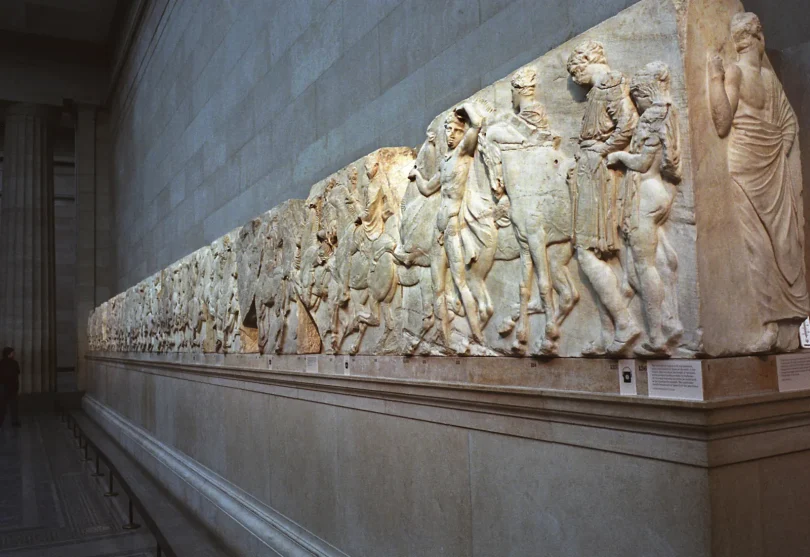
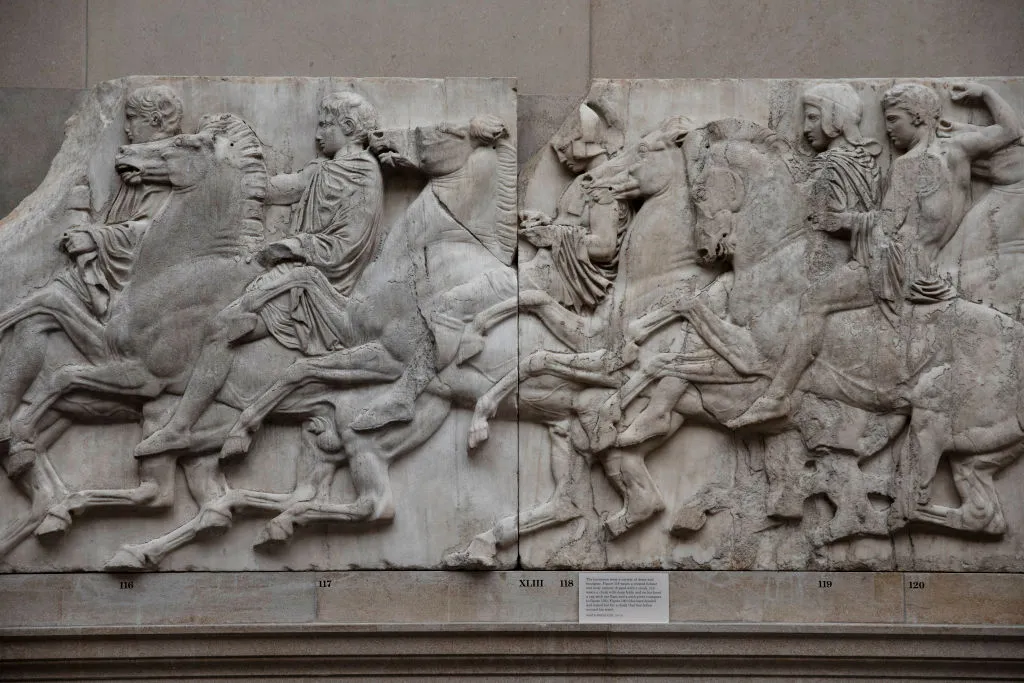
This has considerable bearing on the question of restitution. Sent back to Athens, set in a museum exclusively devoted to ancient Athenian art, for which entry is charged, the Elgin Marbles would actually be displaced from their wider context, even if they were on show within sight of the Acropolis. They need to be retained in a place where they are situated within the entire history of Greek art, and not just Greek art but that of the predecessors, contemporaries and successors of the ancient Greeks, peoples such as the Minoans, the Etruscans and the Romans. As precious surviving fragments from a vibrant period in the history of art, everyone deserves the right to see them free of charge and as often as they wish.
The same applies to all those objects which are now being reclaimed by their country of origin. By granting free access we affirm our right to have these objects in our care. Our claim to hold them in our museums rests to a significant degree on the fact that so many of our museums are free – not just the great national ones, but university museums such as the Ashmolean in Oxford and the Fitzwilliam in Cambridge (which takes everything a step further by not even charging for exhibitions). By the same token, another great national museum with a universal character, the Louvre, fails to acknowledge its truly international status by taking 22 Euros from most of its visitors.
Our museums are museums of and for the world. Open to all without charge, they confirm their right to be the repositories of the treasures they contain, and also confirm their position as the very best in the world. It is extraordinary that the interim director of our grandest museum should fail to recognise the moral obligation of our great museums to display their worldwide collections to worldwide visitors without ringing up the till.


