


(A version of this article was published in the Daily Telegraph. We are grateful for permission to republish it here)
King Charles III reigns at the constitutional centre of a nation of 70 million people and leads a Commonwealth of hundreds of millions. For more than 50 years he has met all of the most important statesmen and women in the world. It is well known that he is a person of strong and deep convictions on environmental and architectural issues. Which is why it was strange to read that the mayor of New York City, Zohran Mamdani, reportedly told journalists that, given the chance, he hoped to discuss the ‘return of the Koh-i-Noor diamond’ with the King when they met earlier this month in New York.
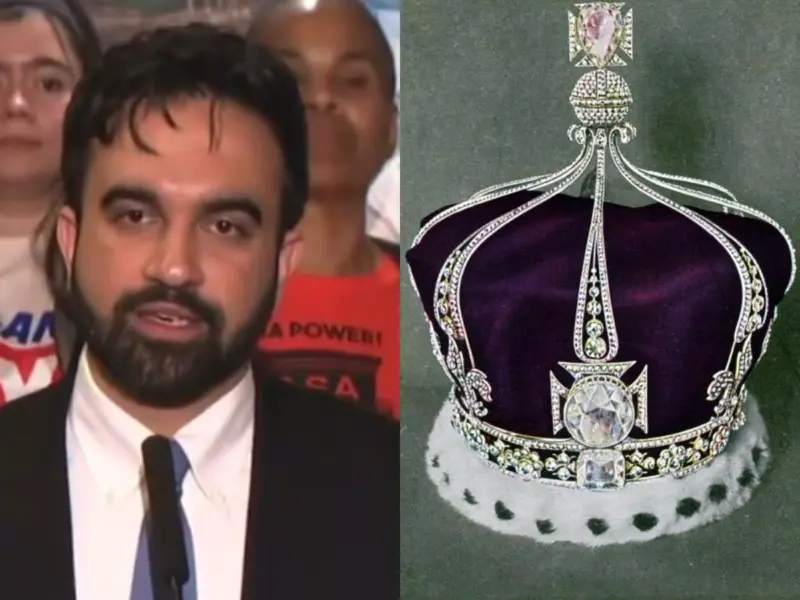
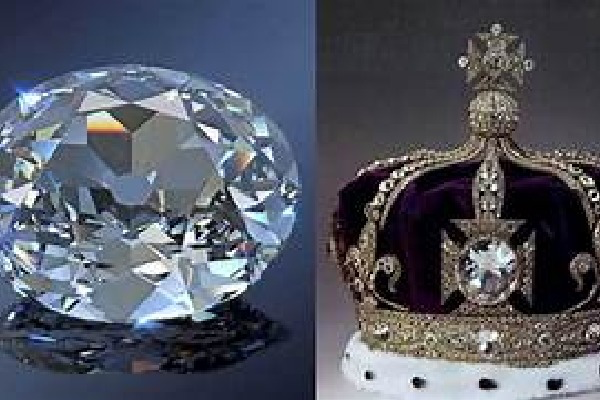
Mamdani was elected by mouthing platitudes about socialism. But this kind of request was triviality of the worst type: of all the great questions Mamdani might have raised with someone of such deep wisdom and experience, he wanted to focus on something as irrelevant as a diamond, set in the beautiful Queen Elizabeth the Queen Mother’s Crown, which is a component of the Crown Jewels that reside in the Tower of London’s Treasury.
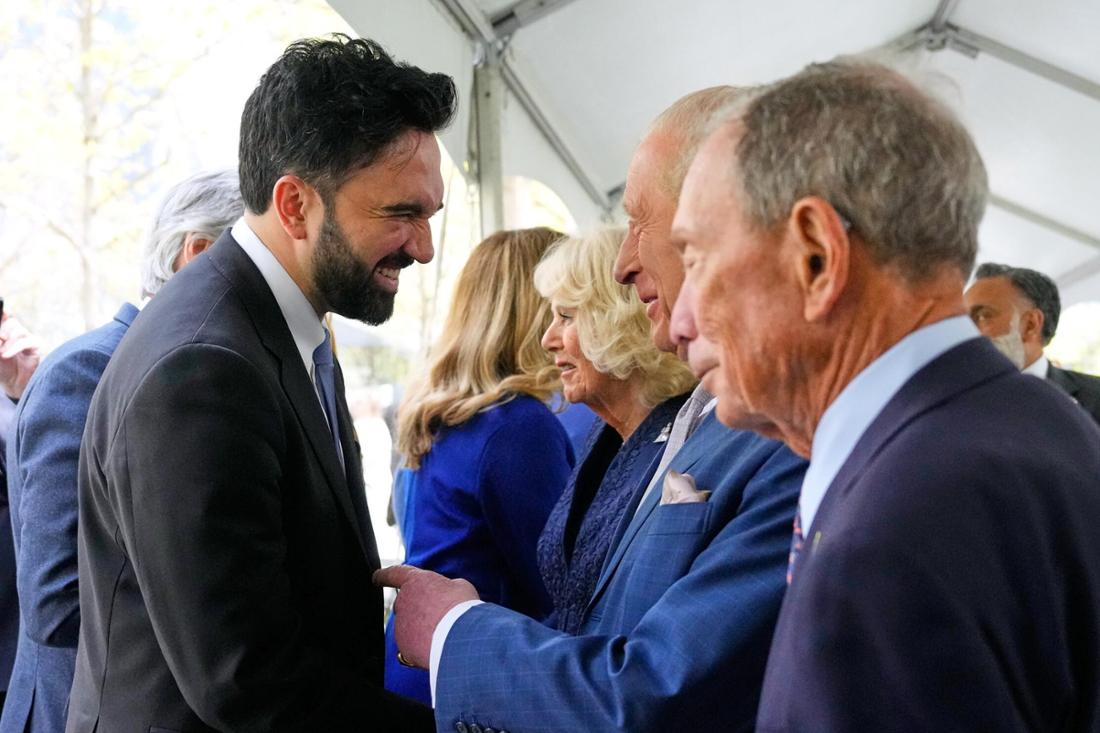
When you have the honour of meeting King Charles, why talk about something so trivial? Credit: REUTERS/Jeenah Moon/Pool
Is this why he was elected? Is this the full extent of the mayor’s political imagination? Does his electorate, as opposed to people from similar backgrounds to Mamdani that he might wish to impress, even care?
There is the striking ignorance of the request: where, exactly, does the mayor think the Koh-i-Noor diamond should be “returned”? It is claimed by India, to which Mr Mamdani has familial ties. However, the diamond is also claimed by Pakistan, Afghanistan and Iran.
Meaning “Mountain of Light”, the great jewel was unearthed using slave labour from the diamond mines of the Deccan Plateau, now part of modern India, in the late Middle Ages.
It initially went to a local Hindu dynasty, then to Muslim sultans. It was first mentioned in 1526, when it was the possession of the founder of the Mughal Empire in India, Babur, who had himself been born in what is now Uzbekistan. Two centuries later the Iranian warrior Nadir Shah occupied Delhi and took the Koh-i-Noor. After his assassination the diamond was possessed by one of his generals who founded a new dynasty in Afghanistan. A century after that, it was given to the Sikh ruler of the Punjab, Ranjit Singh, for his role in helping an Afghan king regain his throne.
By 1849 it passed to the East India Company under the Treaty of Lahore at the end of the First Anglo-Sikh War. Maharaja Duleep Singh, who later lived in exile in Scotland and became a close friend to Queen Victoria, was compelled to surrender control of the Punjab and the jewel itself under the terms of the Treaty.
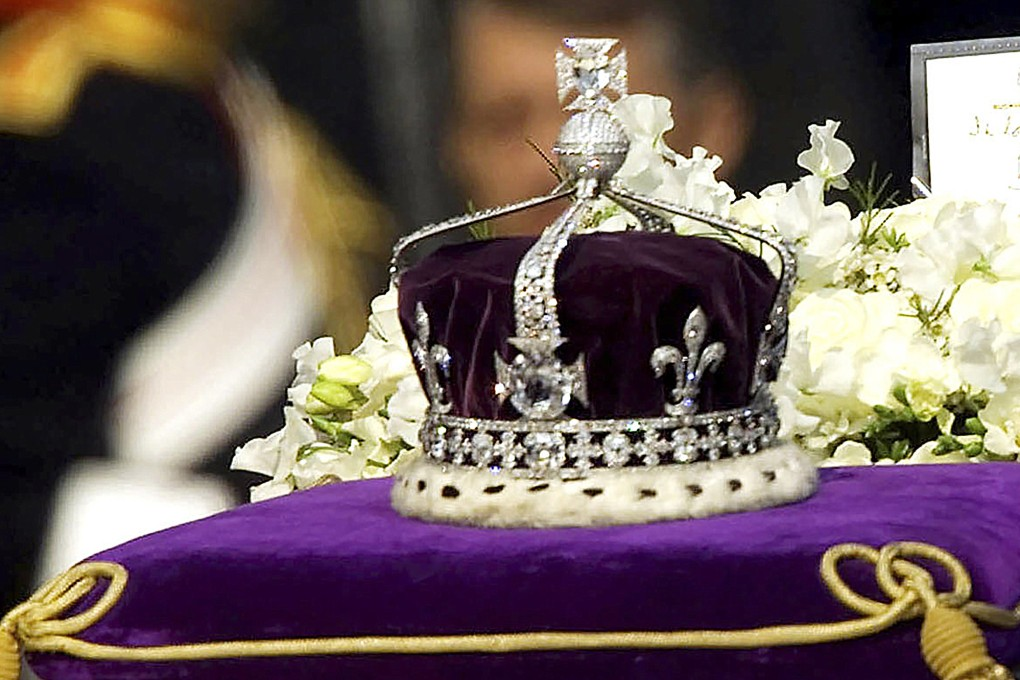
The Koh-i-Noor diamond is claimed by claimed by India, Pakistan, Iran and Afghanistan
Credit: Tim Graham
These details tells a familiar and important story: that great artefacts and works of art have complex histories that defy easy historical or geographical categorisation. A gem owned by so many people across such an expanse of territory could go anywhere. Where does Mr Mamdani suggest? If his answer is Delhi, he would only create further international tension between nations frequently at odds with each other.
He should also be aware of the bad precedent set by the Indian government after it acquired the fabulous jewels once owned by the Nizam of Hyderabad in 1995. These reside in vaults of the Reserve Bank of India in New Delhi, where they cannot be seen.
Surely the test to be applied in all these cases of disputed possession is whether or not the object or treasure is accessible to the public? The Koh-i-Noor diamond meets that test as part of the Crown Jewels display, visited by thousands from all over the world each week.
The blindness and hypocrisy of Mr Mamdani’s stance should also be noted. For a mayor of New York, of all places, to be keen on the “restitution” of great artefacts seems a dangerous folly in a city stuffed full of art derived from the other continents of the world.
The director of New York’s Metropolitan Museum, one of the world’s greatest, might have something to say if Mamdani suggested returning the Sphinx of Hatshepsut to Egypt, or the 17th-century Crown of the Andes to Colombia, both of which adorn the Met’s collection.
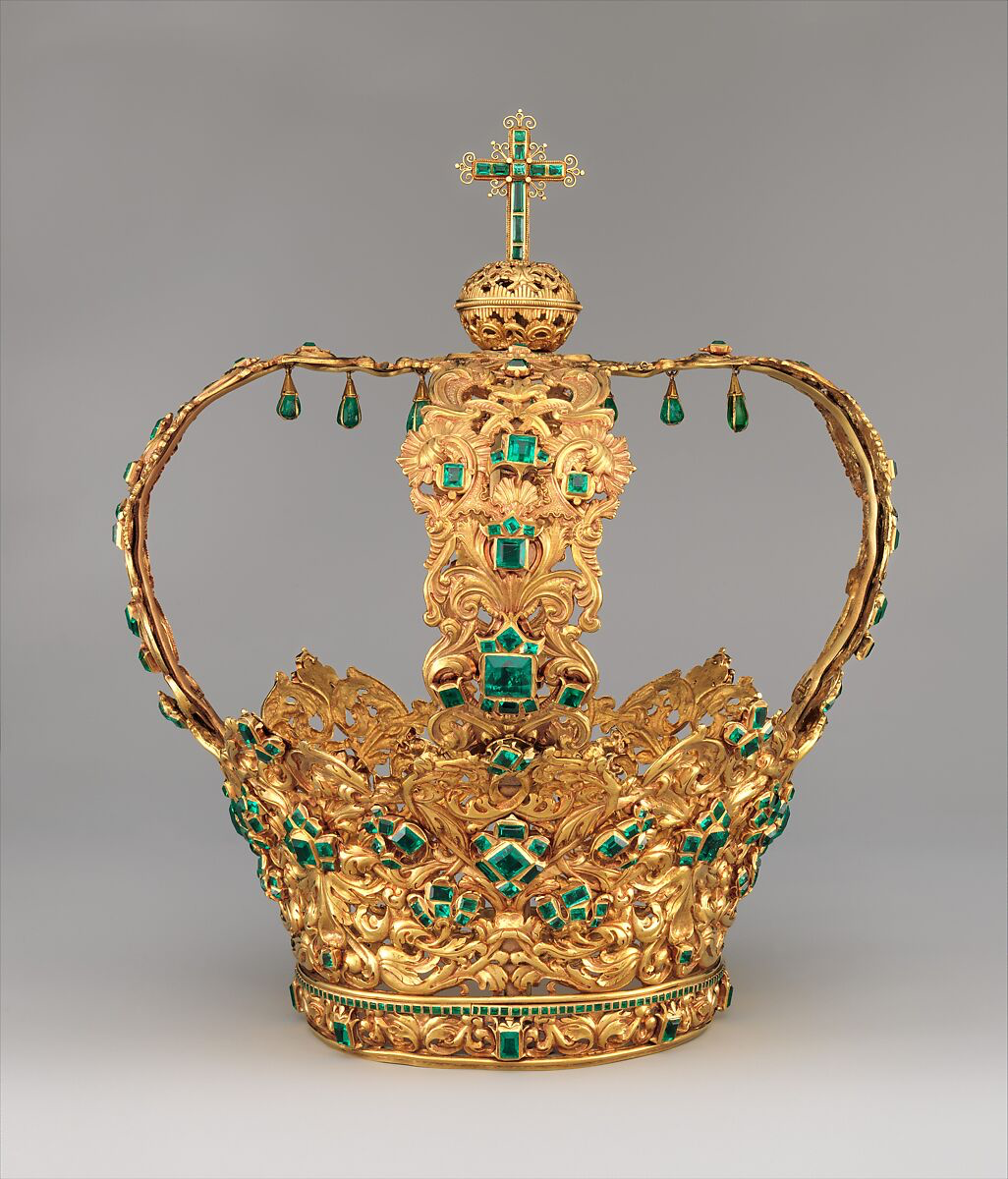
Crown of the Virgin of the Immaculate Conception, known as the Crown of the Andes (Metropolitan Museum, New York)
Tellingly, Mr Mamdani wears his “restitution” heart on his sleeve only when meeting a King of England, not when addressing the citizens of New York who cherish their museums.


