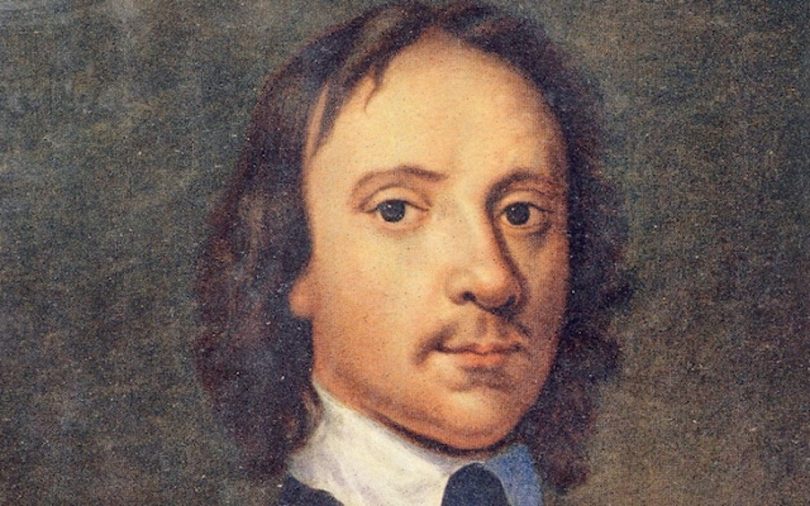

Featured Image: Perhaps progressives are running out of heroes to debunk Credit: Beryl Peters Collection / Alamy Stock Photo
(This article was first published in the Daily Telegraph. We are grateful for permission to republish it here)
The National Portrait Gallery has removed a video installation defaming Sir Winston Churchill. The Gallery and the artist, Helen Cammock, claim that “to question, challenge and explore ideas and histories is vital to a healthy society”. It is hard to disagree – but challenge and exploration cannot be vital or healthy if based on ignorance or falsehood.
Ms Cammock, “a Turner Prize-winning multidisciplinary artist”, falsely accused Churchill of having “starved people en masse”, comparing his actions to those of Oliver Cromwell in Ireland. What did the NPG think it was doing in making this gratuitous and easily disproved accusation to its crowds of international visitors? Andrew Roberts and other distinguished historians have rightly and robustly set out the historical illiteracy of Ms Cammock’s claims.
But what about Cromwell? Who will come to his defence? Does anyone still consider him a national hero? Perhaps members of the Jeremy Corbyn fan club? He beheaded a King and threw moderate MPs out of Parliament. He was in Victorian times a great hero to Nonconformists and Liberals, who got a statue erected to him outside the Palace of Westminster – to the disgust of Irish MPs, who took the Cammock view.
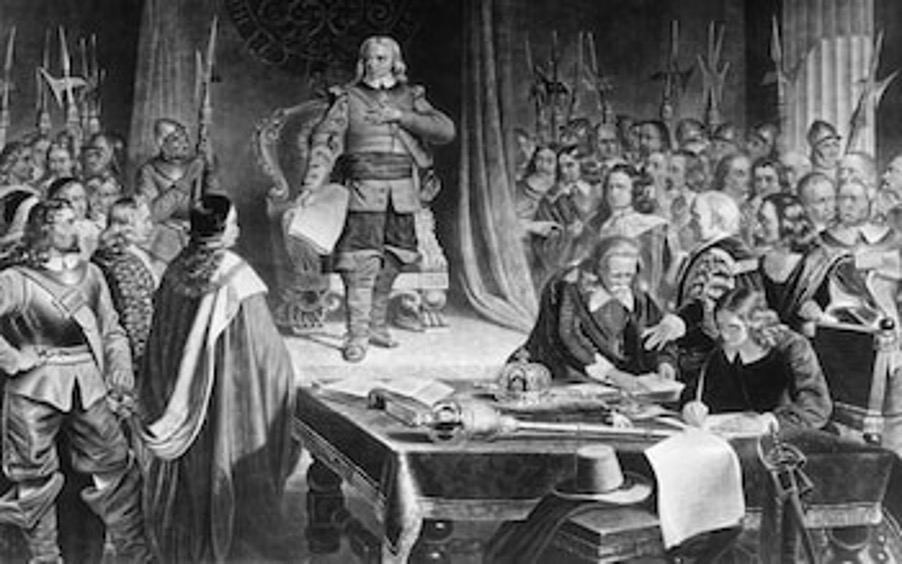
Oliver Cromwell was instrumental in the trial and execution of Charles I Credit: Hulton Archive/Getty Images
I admit I am not a great admirer. But Ms Cammock’s objection is not that he imposed a religious dictatorship on Britain, but that he starved the Irish. I presume this is a reference to the sieges of Drogheda and Wexford. War is a cruel, brutal business, and using starvation as a weapon is as old as war itself, as Ms Cammock herself notes. We starved the Germans in the First World War. The Germans starved the Russians and most of Europe in the Second.
For thousands of years sieges of towns used hunger. In Drogheda and Wexford, Cromwell tried to speed things up by threatening to kill their garrisons if they did not surrender once their position was hopeless. This was regarded as part of “the laws of war”, and it happened in many places. In Drogheda, much of the garrison and their commander who were slaughtered were English royalists. In short, Cromwell was a ruthless and effective soldier, motivated by religious anger against the ungodly, especially Catholics.
Yet even if this were the whole story, his importance in our history and his personal honesty might be thought enough to spare him pointless attack in a publicly funded museum. He defended religious and intellectual liberty, at least by the standards of his time (and who could expect more?). That is, he believed that those genuinely seeking God should be free to do so, even if it took them to radical extremes.
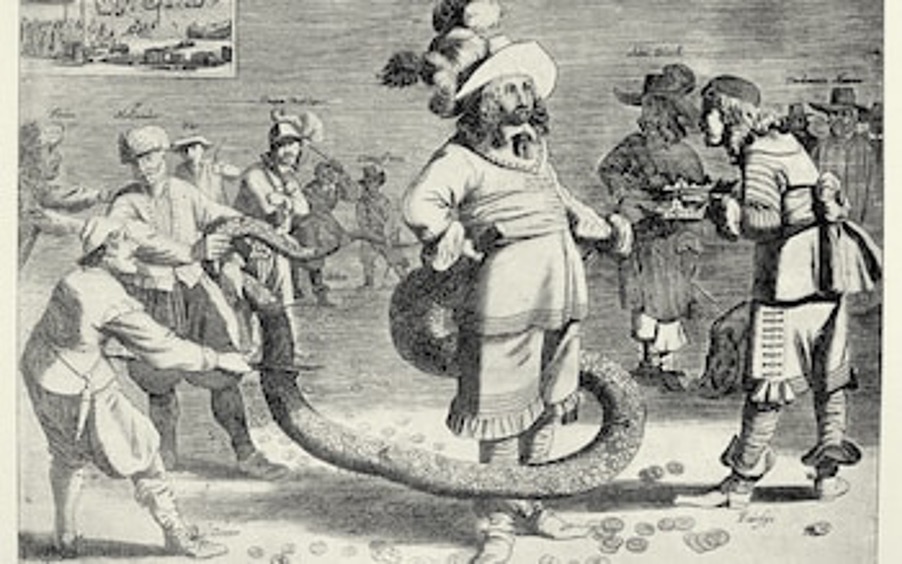
Cromwell is a deeply polarising figure, but he defended religious and intellectual liberty Credit: Walker Art Library / Alamy Stock Photo
Though ruthless, he was not vindictive or gratuitously cruel. He was willing to listen. He was a model of personal integrity. He allowed Jews to return to England. In that time of religious horrors, he showed sparks of humanity and humility.
But was he the man who founded our liberties and our democratic system of government, as used to be thought? Not at all. The Cromwellian Republic was an unpopular dead end which barely survived him. Its achievements were largely military and naval. It spent huge revenues on the Armed Forces and rewarded merit. Cromwell was one of the founders of the Navy and of the empire (he captured Jamaica). He showed the world that a large modern European state could function without a King – a lesson never forgotten.
Cromwell is not a hero for our times. I would be curious to know why Ms Cammock picked on him. Was he only there as a stick to beat Churchill with? Are “progressives” running out of heroes to debunk? Linking Cromwell and Churchill seems just another lame and clumsy attempt to convince the gullible that our history (except perhaps for the suffragettes) is shameful, and that men we might admire are monsters.