


The legal protection of workers’ rights is an essential feature of a just society. Though the British Empire is now associated with slavery and indentured labour, it is often forgotten that modern employment legislation was introduced in British colonies for the first time during the colonial era. This paper will concentrate on India. There, the Edicts of Emperor Ashoka, the last major emperor of the Mauryan dynasty who had reigned in the third century BC, had always encouraged the fair treatment of servants and labourers. But from the mid-nineteenth century modern legislation began to enshrine fair pay, decent conditions and Indian workers’ rights. In Britain itself the first legislation dealing with the conditions of workers in the woollen and cotton industries, the Health and Morals of Apprentices Act, dates from 1802. This was followed by the Cotton Mills and Factories Act in 1819 that began the regulation of child labour, and then subsequent factory acts in the 1830s and 1840s.
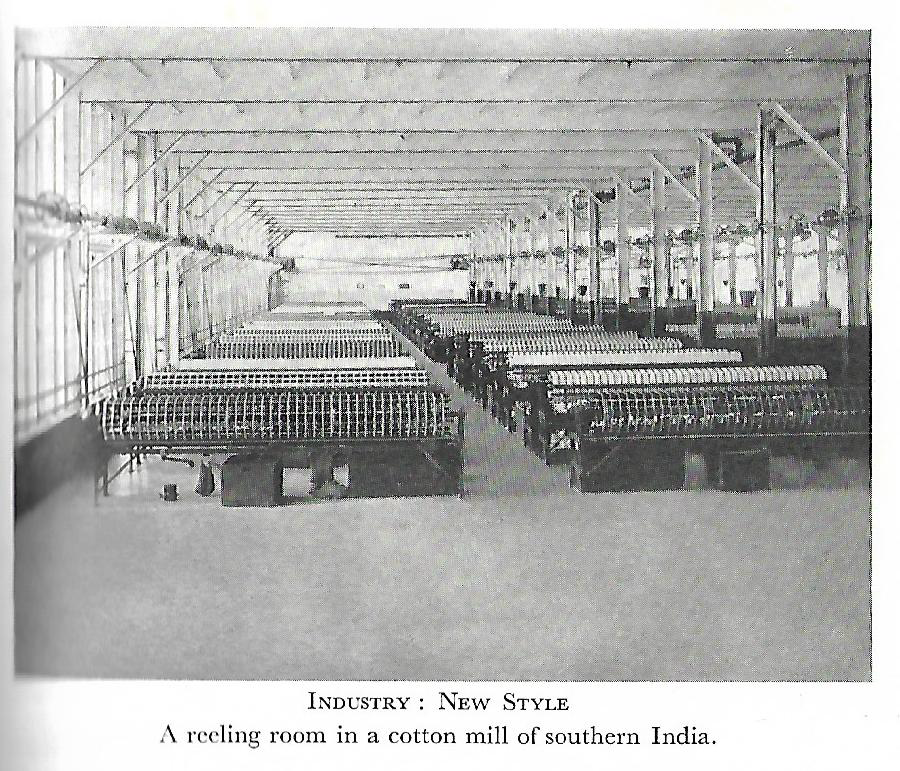
By the mid-19th century India was becoming industrialised, particularly in the production of textiles (cotton and jute), coal mining and engineering. The emergence of large factories in Bombay, Ahmedabad and Calcutta created new forms of labour. However, in these earliest factories large numbers of women and children worked long hours in unsafe environments for low wages.
In 1874, the attention of the Secretary of State for India, then Robert Gascoyne-Cecil, 3rd Marquess of Salisbury (later Conservative prime minister 1886-92 and 1895-1902) was directed by a question in the House of Commons to the dangers faced by children in the expanding Indian cotton industry. Salisbury pointed out to the Government of Bombay the need for an inquiry and possible legislation. A Commission was duly appointed in March 1875. In India, social reformers, such as Sorabejee Shapurjee Bengallee, the prominent 19th-century Parsi philanthropist and journalist, who was a member of the Bombay Legislative Council, having observed working-class movements in Britain, had begun campaigning for better working conditions in factories, and reforms in India to mirror those in Britain. While the Commission was sitting, in 1875 the famous Christian evangelical social reformer Anthony Ashley-Cooper, the 7th earl of Shaftesbury, pressed the case in the House of Lords for legislation in India.
Another group who were very keen to improve factory conditions in India – but for different reasons – were textile mill owners in Lancashire and organisations like the Manchester Chamber of Commerce. They favoured the reform of Indian factory conditions that would likely increase costs of production and make Indian cotton textiles less competitive with their own products. The Commission’s report addressed issues such as safety of machinery, age of child workers, their hours of work and holidays, sanitation, ventilation and the need for legislation. Most of their recommendations were accepted and a factories bill was introduced in the Council of the Governor-General of India in 1879 and passed in 1881.
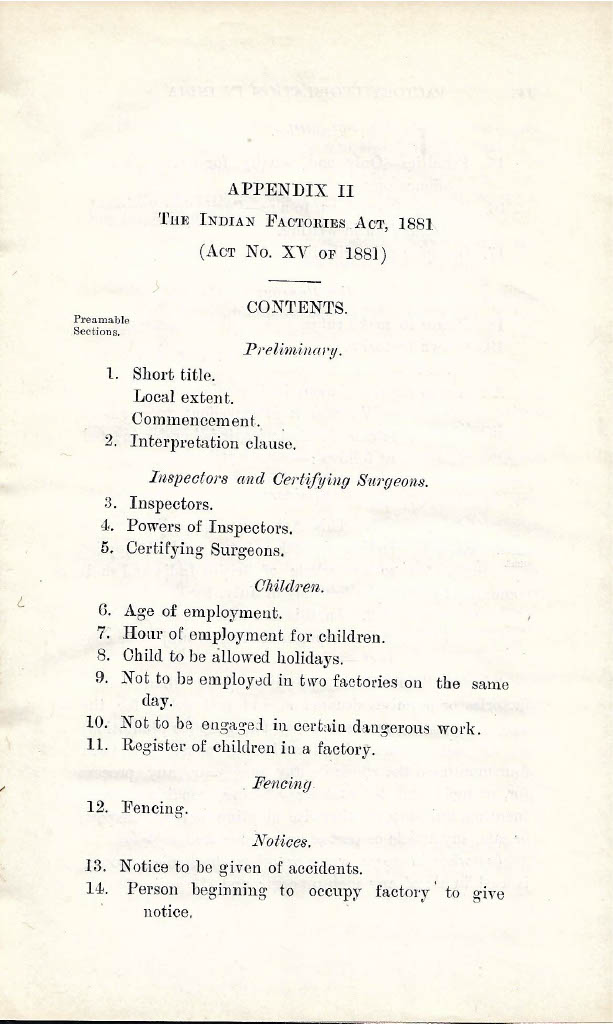
This 1881 Factory Act covered textile factories employing more than 100 workers. It prohibited the employment of children below the age of 7, whilst those between 7 and 12 years of age were prohibited from working for more than 9 hours a day. It also specified a weekly holiday. Though the Act focused on the employment of children, it indirectly influenced the working conditions of adults. It addressed safe working practices to prevent accidents and hazardous machinery had to be fenced off. It appointed Inspectors of factories to ensure compliance with the Act.
There were obvious limitations to the legislation. As it applied only to factories employing more than 100 workers, it left out smaller establishments. It did not formally regulate the working hours of adults. There were very few factory inspectors. They only had limited powers: hence there was inadequate enforcement of its provisions. The penalties were also weak. Nevertheless, the 1881 Act established the principle that the Indian state had a duty to protect workers, especially children. It served as the foundation of future factory laws that progressively improved conditions. It created an institutional framework to monitor and enforce those laws, and also raised public and political awareness about the plight of industrial workers. It linked the conditions of industrial workers in Britain and India.
The inadequacies of this Act were soon apparent and the Bombay Government established a Commission in 1884, including Bengallee, to make further recommendations. Among the submissions made to the Commission was a letter from the Chairman of the Millhands’ Association containing signatures of 5,500 Indian mill operatives. Its proposals in the following year included improving sanitary provisions, raising the minimum age for the employment of children to 9 and restricting the hours of female labour. It led to the appointment of a national Commission in 1890, including several Indian members, whose recommendations resulted in the 1891 Factory Act. This extended the operation of the legislation to factories employing more than 20 workers; increased the minimum age of employment for children from 7 to 9; restricted the employment of women to 11 hours per day; and ensured proper ventilation in factories.
There were no further legislative changes in India until 1911. In the twenty years after 1891 the number of factories in India increased from 656 (1892) to 2403 in 1911. Indian factory conditions were inquired into by the Freer-Smith Committee, appointed by the British government in 1906, and the Factory Labour Committee formed in 1907. Following their recommendations, the Factory Act 1911 was passed. This limited the working day for men to twelve hours. The number of hours worked by women was unchanged, but they were prescribed a rest break of 90 minutes. All workers were given a half-hour break. Children’s hours were reduced to 6 per day. There were several provisions regarding health and safety which was to be more effectively inspected.
India was one of the founder members of the League of Nations in 1919 and joined the International Labour Organisation (ILO) in the same year. Two of the Conventions promoted by the ILO relating to hours of work and night work for young persons were adopted. In the case of hours of work, though the ILO recommended an 8-hour day and a 48-hour working week, it was accepted that India would retain a 60-hour week. Similarly, though the ILO restricted the employment of all young people under 18 for night work, it was accepted that in India girls would be barred, but boys could work at night.
After the Great War inflation rose rapidly and serious strikes took place including in the cotton mills at Bombay, Ahmedabad and Cawnpore. The workers demanded higher wages and lower hours of work and the mill owners eventually conceded. Prior to 1920 there was little co-ordination between the central and provincial governments on matters concerned with labour, and official efforts at mediation in trade disputes were virtually unknown. Indian participation in the ILO and the increasing interest shown by the Indian public in issues connected with labour persuaded the Government of India in 1920 to establish a Labour Bureau. Meanwhile, the Governments of Bombay and Madras appointed Commissioners of Labour. Their success was limited, but in 1922 a new Factory Act was passed. The provisions of this Act included the prohibition of child labour below the age of 12, and restrictions on the hours of work of all adults to eleven per day and sixty per week. Women were prohibited from working at night. There were to be compulsory rest breaks, weekly holidays, and improved factory conditions.
The Workmen’s Compensation Act 1923, and the Trade Unions Act 1926, followed. The former directed employers to keep factories safe to work in, and provided compensation to workers who were injured at work. The latter, despite the opposition of employers, legalised trade unions and transformed the relationship between workers and their employers. The formation of trade unions, such as the Girni Kamgar Union, Mill Mazdoor Sangh, gave new strength to an emergent Indian urban working class. There had been organisations representing workers in the 19th century, but most of the major unions such as the Bengal Trades Union Federation and the All-India Railwaymen’s Federation, formed in 1920. The same year saw the formation of the All-India Trades’ Union Congress, modelled on the British TUC. The number of trade unions increased from 104 in 1929 to 865 in 1945.
The economic depression that began in 1922 and that lasted for several years led Indian mill owners to reduce wages, leading to strikes. Indeed, a general strike, which lasted two months, took place in 1925, a year before the British General Strike. It ended when the Viceroy abolished an excise duty which was levied on cotton manufacturers. The years 1926 and 1927 were relatively calm but industrial disputes increased after 1928, firstly because employers introduced new working practices which meant workers had to mind more machines, and secondly because more members of the militant Workers’ and Peasants’ Party became trade union officials.
By 1929 it was apparent that the Labour Laws enacted in 1922-3 had several defects and the Government of India announced the appointment of a Royal Commission, chaired by J H Whitley, the former Speaker of the House of Commons. In 1917, in the midst of war, Whitley had chaired an inquiry in Britain that led to the establishment in many industries of joint committees, so-called Whitley Councils, of employers and workers to discuss pay and conditions. The Royal Commission contained prominent British and Indian members, and was empowered to inquire and report on conditions of labour in industrial undertakings and plantations in British India; on health, efficiency and standards of living of workers; and on the relations between employers and employees. The Report of the Whitley Commission, published in June 1931, made hundreds of recommendations relating to factories, mines, railways, dockyards and agriculture. This resulted in several important pieces of legislation including the Factories Act 1934, Payment of Wages Act 1936, Unregulated Factories Act 1937, and the Trades Disputes Act 1938 which together ensured improvements in conditions and hours of work, workmen’s compensation, payment of wages, and the handling of trade disputes.
In neighbouring Ceylon, employment legislation was introduced much later than in India as Ceylon has a largely agricultural rather than an industrial economy. The Contracts for Hire and Service Ordinance, passed in 1865, specified that a verbal contract should be regarded as a contract for hire and service for a month, and could be terminated by either party with one month’s notice. An 1889 ordinance then defined the terms ‘checkroll’, ‘employer’, ‘estate’, ‘labour’ and ‘wages’ and specified that a labourer whose name was entered on the checkroll would be regarded as being on a monthly contract.
Major legislative enactments took place only after the passing of the Indian Immigrant Labour Ordinance No.1 in 1923 which resulted in the founding of a Department of Indian Immigrant Labour. A Controller was appointed to supervise the welfare and feeding arrangements of Indian labourers during their journeys from India to estates in Ceylon. Following the introduction of the Donoughmore Constitution in 1931, when Ceylon effectively became self-governing, the Department was renamed the Labour Department and assumed additional responsibilities for industrial welfare, industrial associations and disputes, conditions, safety, wages and hours of work, inspection of factories and poor relief.
The first piece of legislation under the new constitution was the Industrial Disputes Ordinance in 1931 followed by the Workmen’s Compensation Ordinance in 1935. When unemployment rose in the 1930s an employment exchange to assist workers looking for jobs was established in Colombo followed by exchanges in outstations. A Shops Ordinance came into effect in 1939. The Wages Board Ordinance and the Maternity Benefits Ordinance were introduced in 1941. A Factories Ordinance, passed in 1942, was suspended while maximum wartime production was required. In 1944 a number of Wages Boards were set up. A separate Department of Social Services was created in 1948 to administer Poor Relief, Workmen’s Compensation, Relief of Distress and Social Insurance.
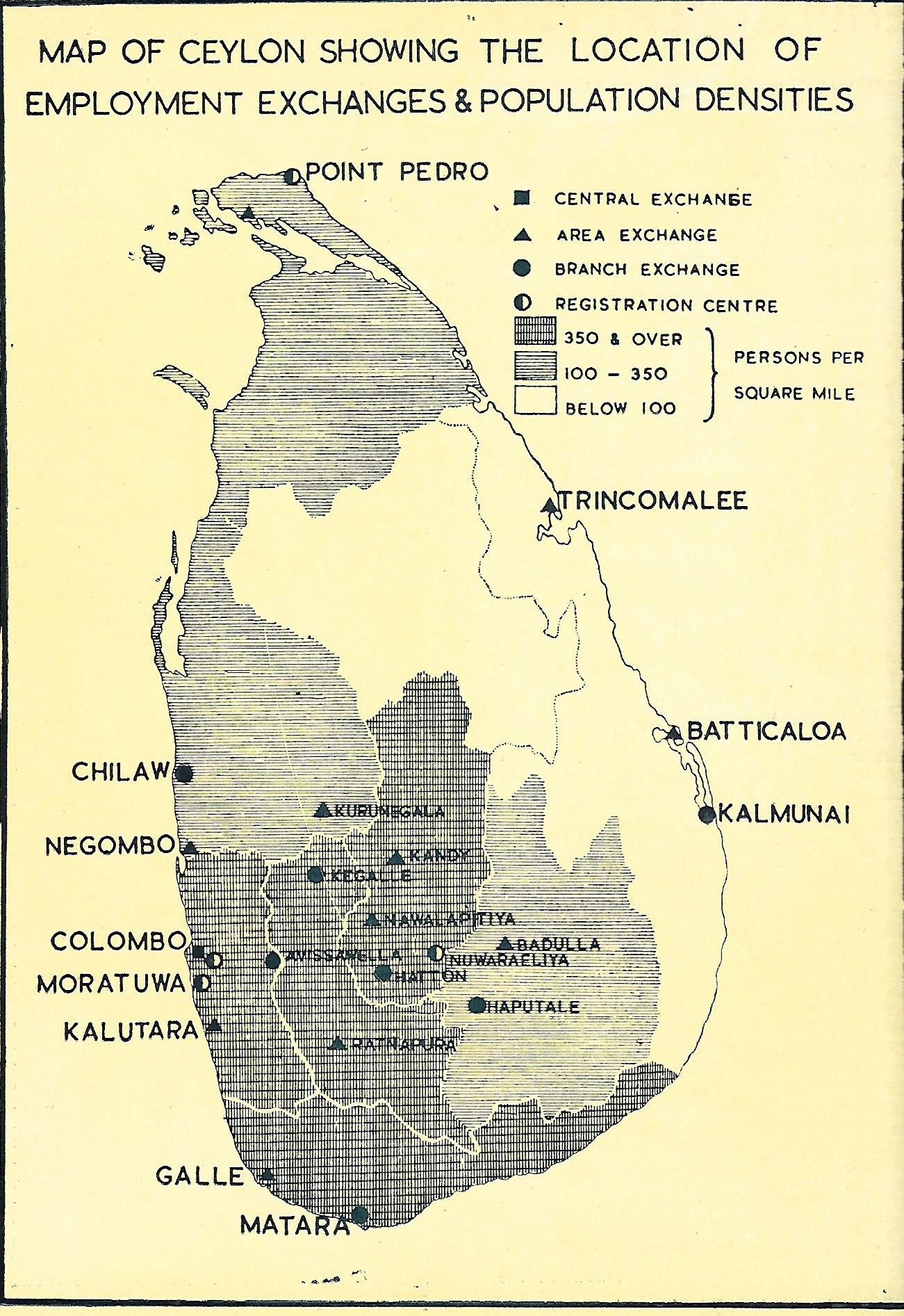
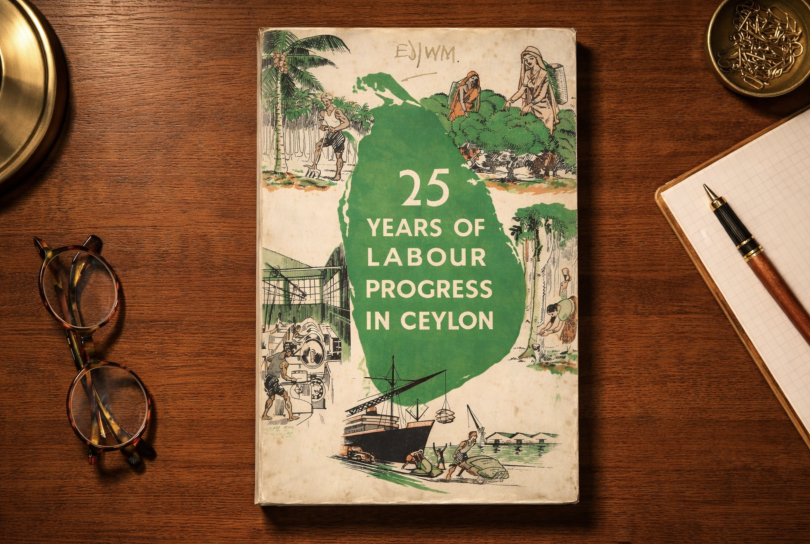
On the twenty-fifth anniversary in 1948 of the founding of original Department for Indian Immigrant Labour, shortly after independence, the Department published 25 Years of Labour Progress in Ceylon and the minister, Mr T B Jayah, declared: ‘The worker in Ceylon, in most trades, now enjoys protection in respect of minimum wages, hours of work, weekly and annual holidays; in respect of health and safety at workplaces and compensation in the event of disease, accident or death caused at work. There are protective restrictions regarding the employment of women and children; facilities are available for the adjustment of differences between managements and staff, and the Employment Exchange Service is growing from strength to strength’
It is readily apparent that prior to Indian and Ceylonese independence in 1947-8 there was already a considerable body of labour legislation, largely modelled on British statutes and practice, which had transformed the working lives of tens of millions of workers in the sub-continent and laid the foundations for further progress after independence. This aspect of the history of the empire has received scant attention and deserves much greater coverage. The fact that so many of the major labour reforms that protected workers in industrial Britain were transferred to, and implemented in industrialising India and then Cdeylon, is yet another reason to reject claims that the history of empire is a history of exploitation.
References
Blunt Sir Edward (1939) Social Service in India
Das Gupta T (1958) Nalanda Year Book
Department of Labour Ceylon (1948) 25 Years of Labour Progress in Ceylon
Dhanavel B and Praveenkumar B (2024) ‘Labour Legislation under the Colonial Period and its Post-Colonial Transitional Developments’,Journal of Law and Legal Research Department, 1(3)
Jadhav A (2019), ‘The Role of British Legislation and the Working Class Movement in India’, International Social Sciences Review, 1(1),
Kydd J C (1920) A History of Factory Legislation in India.
Rees Sir Stanley (1945-6) The Indian Year Book


