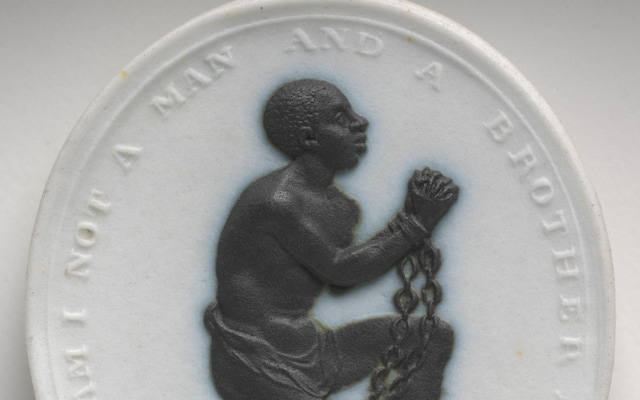

Britain’s role as a slave-trading and slave owning nation is rarely out of the news these days. Fanciful claims for trillions of pounds to be paid to self-identifying victims have been widely aired. Several guilt-stricken descendants of slave-owning families are paying reparations. So, apparently, is the Church of England, after mistakenly identifying some of its assets as slave-trade related. Consequently, these questions, which have really been answered already, will continue to be discussed.
Their foundation seems to be an assumption that somehow today’s wealth is ultimately derived from the Industrial Revolution fuelled by the profits of slavery. So presumably every subsequent economic advance (everything from the railways to nuclear power and AI) remains literally indebted to slavery. Hence the trillions.
Leaving aside its implausible logic, basic facts make this view untenable. It has recently been estimated that Britain held only 1.7 per cent of the global enslaved population. Its trade with Africa represented only 3.6 per cent of exports in the 1780s. Many countries in which slavery was economically far more important – including Portugal, Spain, Turkey, France and the United States – did not pioneer an industrial revolution. Though some British people got rich from slavery, the overall economic effect seems to have been small. No trillions, therefore.
It is simple to explain why the British were involved in slavery: everyone was. The more difficult and important question is the opposite one. Why did the British public turn decisively against the slave trade and slavery itself? The change began in the 1770s-80s and continued throughout the 19th century and beyond – arguably up to the Modern Slavery Act (2015).
Remember that slavery was practically universal. Every continent (with Europe a partial exception) ran on slavery and always had. Apart from an occasional lonely voice, no one raised moral objections. That included slaves themselves: those who gained their freedom, or even rebelled against their own servitude, generally saw nothing wrong in enslaving others. So what changed in Britain?
The explanations are not obvious. For example, vaunted “Enlightenment values” were not clearly opposed to slavery. Several of the most prominent Enlightenment thinkers ignored the issue or endorsed slavery as rational. Some even participated, at least to the extent of investing in African trade, as did Newton and Locke. Adam Smith thought slavery was inefficient, but events did not bear him out. The popular radical poet Robert Burns took a job as a slave overseer.
Political changes stemming from Enlightenment principles are not the explanation either. The French Revolution at first subsidised the trade, and there were slave ships called Liberté, Égalité and even Fraternité. In 1793 the leading English radical thinker William Godwin considered that “It is perhaps right to suffer the negroes … to continue in slavery till they can be gradually prepared for a state of liberty.”
Popular among Marxists is the argument that the British abandoned slavery because it was no longer profitable. The evidence contradicts this. The slave economy remained highly profitable in North and South America (as it does of course in parts of the world today), and there is no reason to think that it would have become obsolete, despite Adam Smith.
Slave rebellions were not enough to end the demand for slaves either. In 1791 an ultimately victorious slave revolt began in Haiti, but despite the terror it inspired, the number of enslaved Africans being transported kept rising, as did their price. So when Britain banned the trade in 1807, it was renouncing huge potential profits.
Nor does religious sentiment explain the change. Every major religion had long condoned, practised and in some cases encouraged slavery. Quakers, eventually active abolitionists, had been keen slave traders, and the first who had second thoughts were appalled by the worldly gains of the owners, not the plight of the victims.
The founder of Methodism, John Wesley, was an individual opponent of slavery, but it was not an issue the Methodists took up. Other Evangelical Christians concerned themselves with the moral condition of enslaved Africans, wanting them to be baptised and educated. Some openly took the view that to be a Christian slave was better than being a free pagan. John Newton, the author of the hymn Amazing Grace, crewed slave ships and had even himself been enslaved in Africa. It took him 30 years after his emotional religious conversion to conclude that slavery was wrong.
The explanation for why public opinion changed rapidly from the 1780s is therefore not straightforward. Enlightened ideas about freedom and human equality did become part of the mix. So did the mid-century cult of nature, “sensibility” and emotional empathy. This included intense interest in traditional cultures and idealisation of the ‘noble savage’ – shown for example in Reynold’s great portrait of Omai (c. 1776).
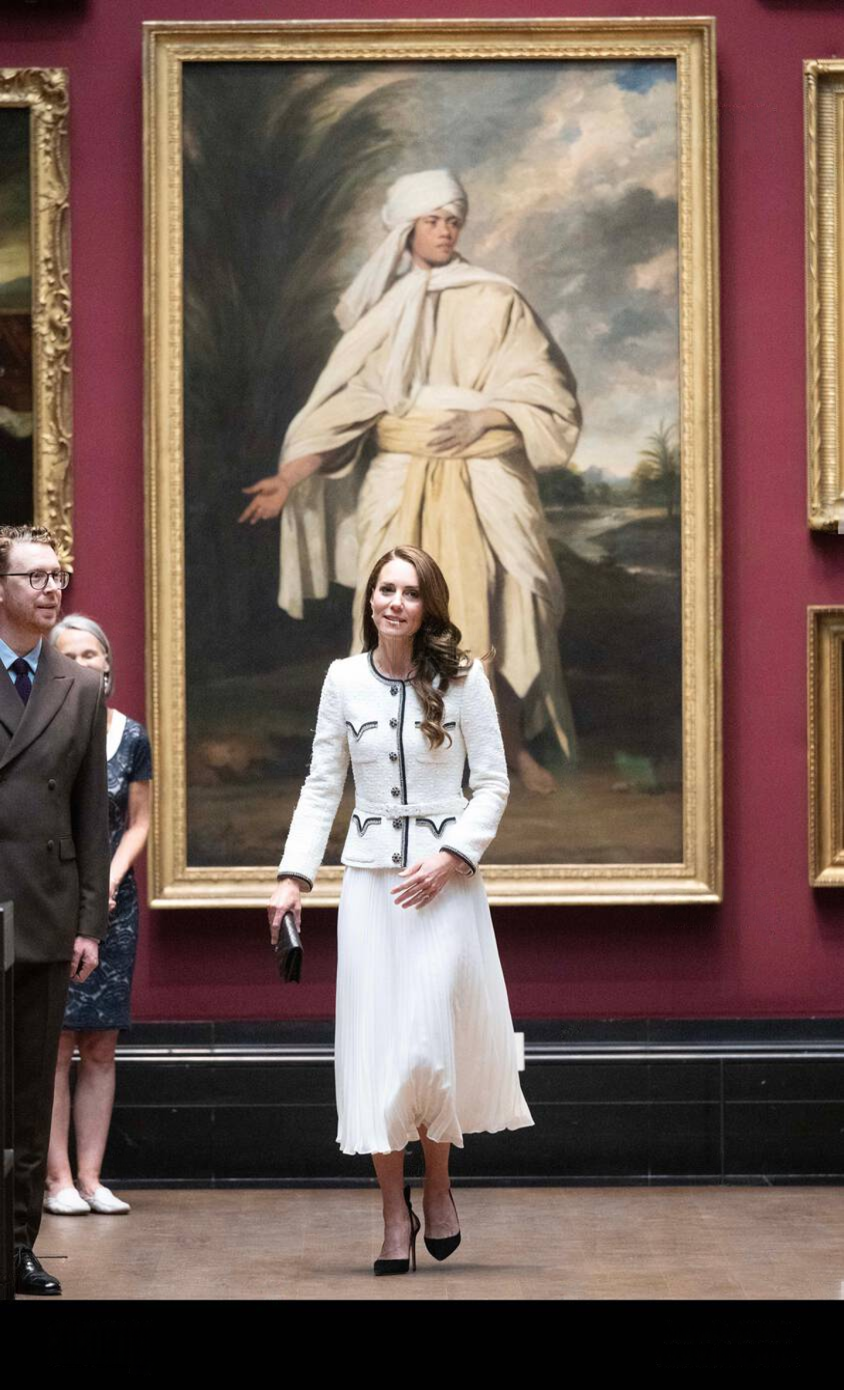
Joshua Reynold’s ‘Portrait of Omai’ in the National Portrait Gallery.
Newspapers and books, which in Britain had now become part of everyday life, enabled lively political discussion. For the first time in the 1780s the uncensored press widely publicised eye-witness reports of the brutal realities of slave trading, of desperate mutinies on slave ships, and of vicious exploitation in colonial plantations.
The comforting myths of contented well treated slaves evaporated. There was a public reaction, in which devout Christians gave a crucial lead, against the cruelty of slavery and against obscenely rich slave owners and their corruption of politics. The loss of the North American slave colonies weakened the pro-slavery lobby: why, asked Samuel Johnson, do the loudest yelps for liberty come from the drivers of slaves?
This unique cultural and political mix gave birth to a campaign in which ordinary women and men became actively involved through legal action, boycotts and petitions. For more than a century they supported British abolitionists, politicians, diplomats and the Royal Navy in making themselves a thorough nuisance to slave traders and owners the world over.
Slavery came to seem a contradiction of modern British values. Critics have alleged arrogance and hypocrisy, and pointed out, rightly, that action against slavery sometimes led to imperial rule. Others have stressed the idealism and pointed out the huge economic costs to Britain.
One can debate the motives. Nevertheless, without an unprecedented British change of heart, slavery would have continued indefinitely, in the open, and on a vast scale. Instead, a century-long liberation of millions of human beings began – the greatest social revolution of modern times.