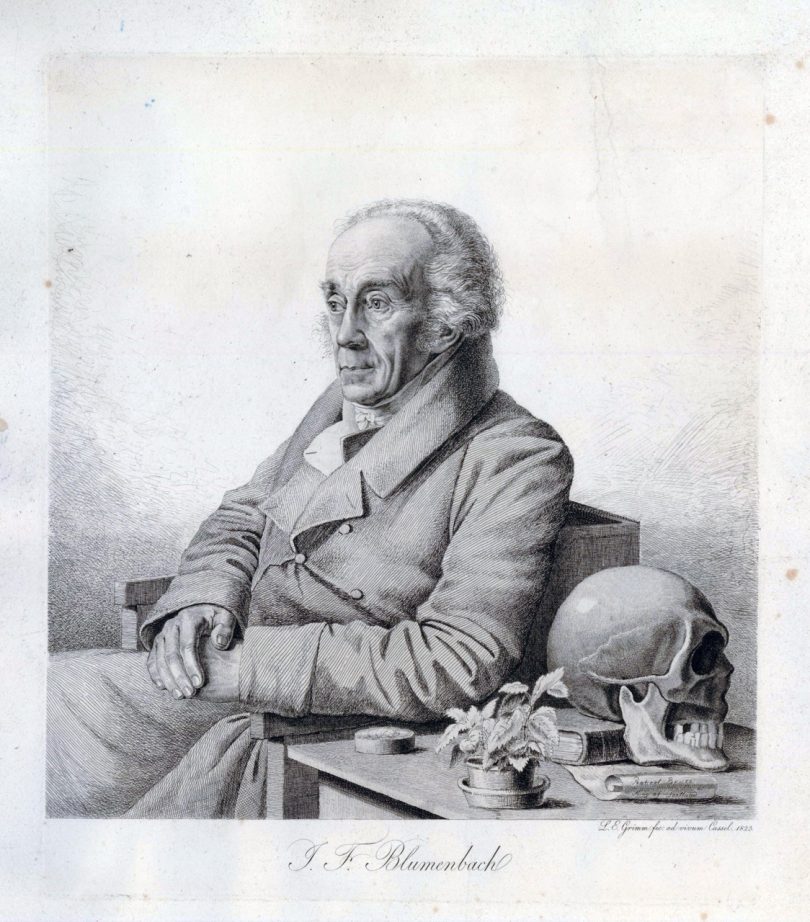

Physical anthropology is a child of the Enlightenment, and the key conclusion that the Enlightenment thinker Johann Blumenbach, the founding father of anthropology, came to was that the dead are disconnected from the living. This allowed anthropologists to study the past using skeletal and mummified remains without concern that they were harming these deceased individuals. Apprehensions over spirits, ghosts, and other supernatural entities were discarded, and treated as primitive beliefs.
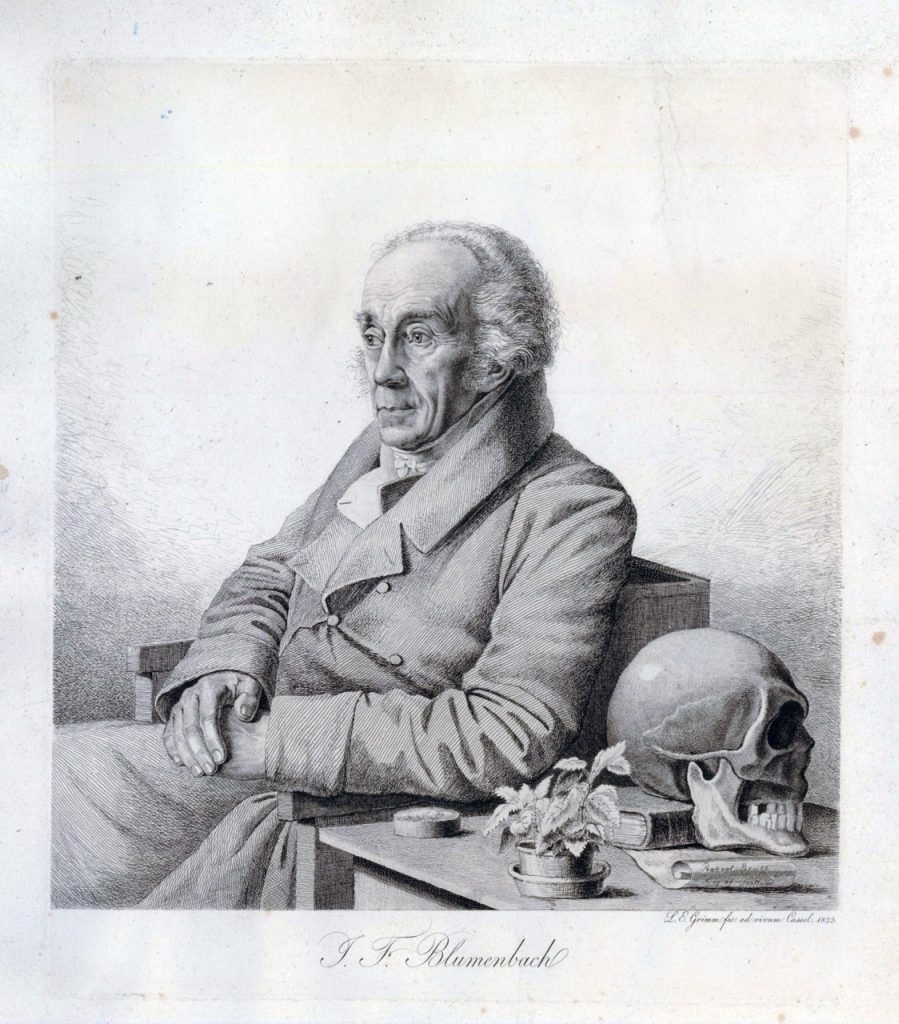
Johann Blumenbach (1752-1840)
As a result of this separation of the living and the dead, anthropology flourished for the next 225 years. Sir Marc Armand Ruffer, born in 1859, the year that Darwin’s Origin of Species was published, formulated a solution that could rehydrate organs. He found the first evidence of a liver fluke in an ancient Egyptian mummy. The Ruffer solution is still used by those studying diseases of the past and in autopsies to improve analyses of the cause and time of death.
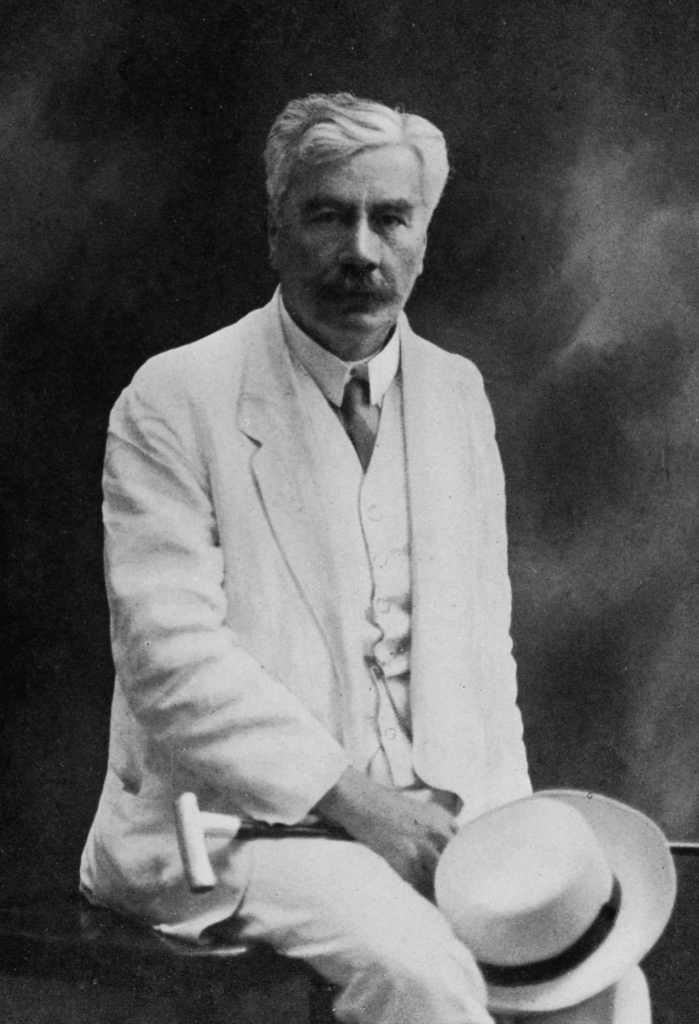
Marc Armand Ruffer (1859-1917)
Ales Hrdlicka used dental traits, like shovel-shaped incisors, to conclude that Native Americans were related to East Asians and came across the Bering Strait when it was a land bridge. Although it appears that there were additional routes into the Americas, Hrdlicka’s theory is still valid over 100 years later.
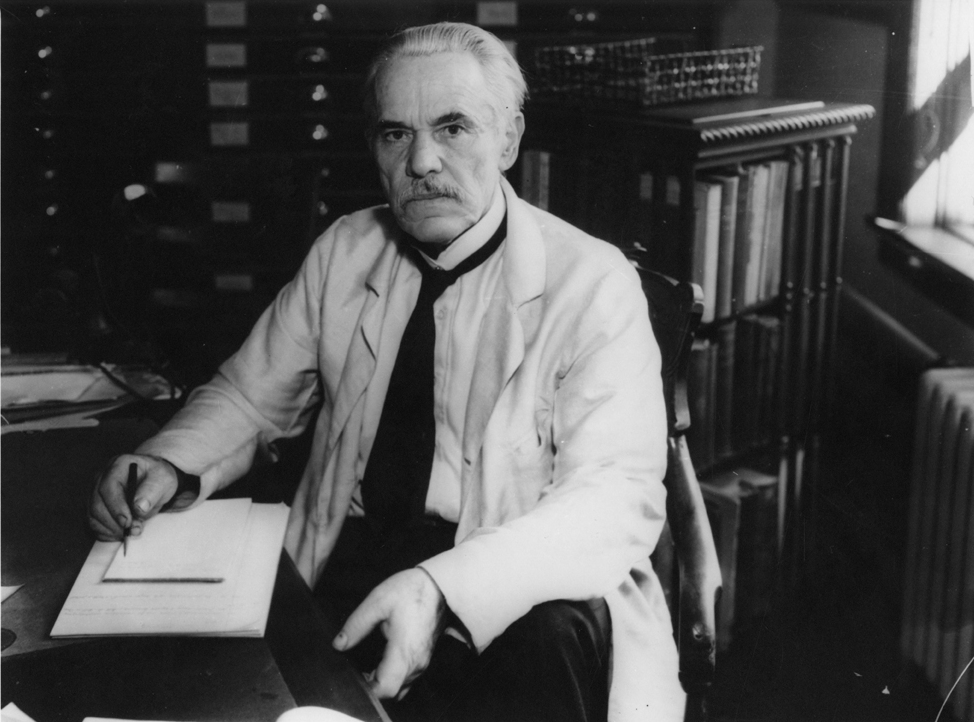
Ales Hrdlicka (1869-1943)
Physical anthropologist T. Wingate Todd, who started his work in the 1920s, established ways to estimate age from bones and built the foundations for sex determination used by later anthropologists. Forensic anthropologists still use these techniques to determine an individual’s sex and age. This increases the likelihood of identifying the victim and, thereby, bringing closure to the victim’s family.
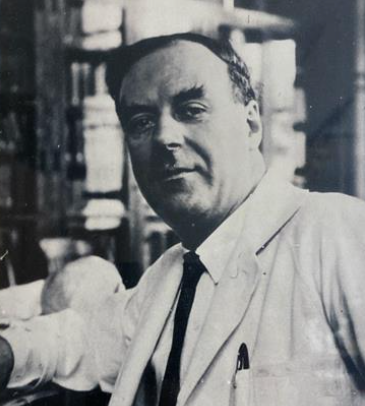
Thomas Wingate Todd (1885-1938)
Anthropologists, like T. Dale Stewart in the 1940s, could see that some joints become osteoarthritic as a result of overuse, but other joints, like backbones, become osteoarthritic as a result of the aging process.
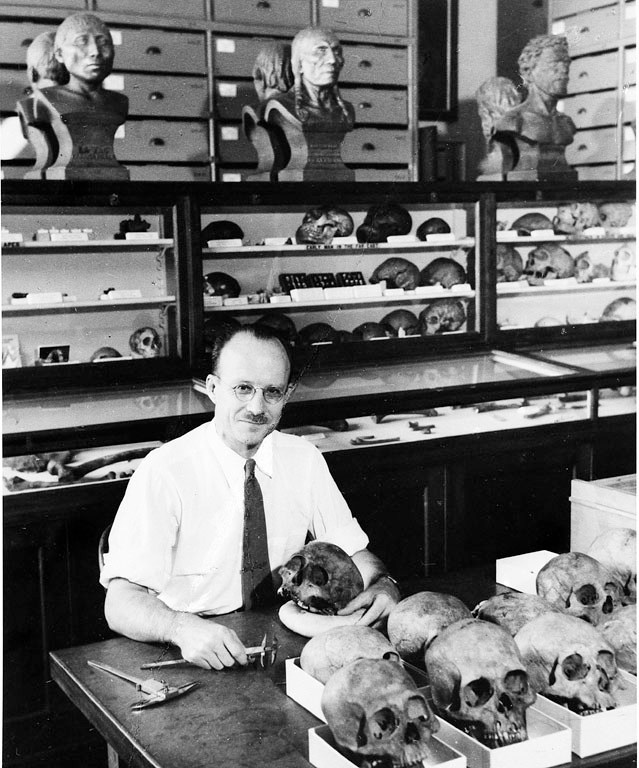
Thomas Dale Stewart (1901-1997)
Anthropologists also played key roles in tracing the origins of diseases, like the recent discovery that the transmission of tuberculosis came from marine mammals to humans in pre-contact South America.
Yet today, anthropology’s Enlightenment principles have come under attack. To dislodge anthropology’s founding fathers from their place in the field’s history, academic activists have called for the removal of the distinction between the living and the dead. This is necessary, apparently, to ‘decolonize’ the field.
This blurring of the lines between those alive and those deceased is in large part to embrace indigenous beliefs that not only accept spirits from the dead, but also claim inanimate objects contain spirits and are alive. David Michener, curator at the University of Michigan Botanical Gardens, accepts the local Anishinaabe tribe narrative that rocks are people, too. And, since people have rights, these rocks must have the same rights.
At the University of California’s Fowler Museum, staff talk to collections of artifacts to keep them from being lonely. At the University of Oxford’s Pitt Rivers Museum, flutes from the Sawos of Papua New Guinea are stored high up near the ceiling where they will not be seen by women because they are “thought to be the mouth pieces of the spirits.”
The rejection of Enlightenment principles has led to the removal of collections of human remains held in universities and museums in the US, Canada, New Zealand, Australia and Europe. The Smithsonian Institutes no longer display human remains. The Pitt Rivers Museum removed the Ecuadorian Shuar shrunken heads. The World Museum Amsterdam displayed tokens with descriptions of bones on them, rather than the bones themselves.
These removals are framed by academics as concerns about spirits. At the University of Illinois, Bethany Anderson and her colleagues state that the curating of indigenous remains results in “cultural and spiritual dangers” to tribal members. The Smithsonian abandoned Enlightenment principles when it stated that human remains are “not objects to be studied, but human beings to be honored.”
Anthropologists have turned away from the field’s Enlightenment past to decolonize the field. Decolonization aims to remove all things and ideas deemed “Western.” This is achieved by heeding guidance from indigenous people, who are perceived as victims of Western colonizers. Whether the guidance makes sense doesn’t matter. The only thing that matters is that we obey the orders of the indigenous, non-European “knowledge keepers.”
So, what can be done to turn the tide?
We need to stop being ashamed of our field’s history. Rather than vilifying past anthropologists as evil colonialists, let’s celebrate their remarkable achievements by creating methods of sex determination that work across time, cultures, and ethnicities; by rehydrating the contents of mummy organs to work out parasite loads; and by building collections of remains to be used to trace our united origin.
Anthropology saved the past from destruction caused by progress. From the creation of the Aswan Dam, to the building of America’s interstate highways, to the digging of Greece’s subway system, anthropology, emerging out of the Enlightenment period, was the past’s only hope. Now, we must save anthropology from the progressives who are determined to decolonize the field and bury history.